
Sipeed Tang Nano 20K FPGA Geliştirme Kartı


Tang Nano 20K FPGA Board
GOWIN GW2AR-LV18
Introduction
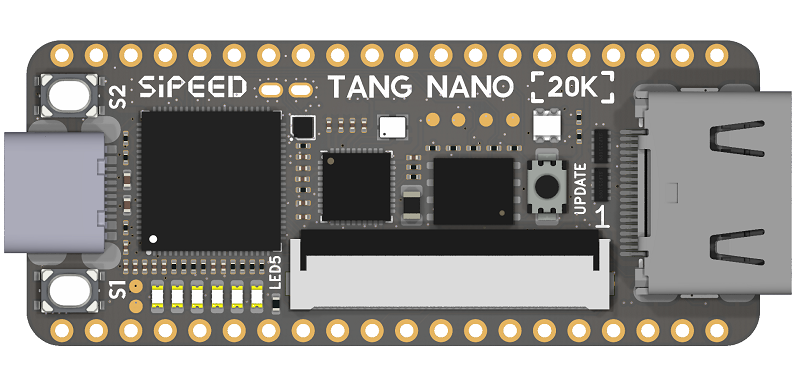
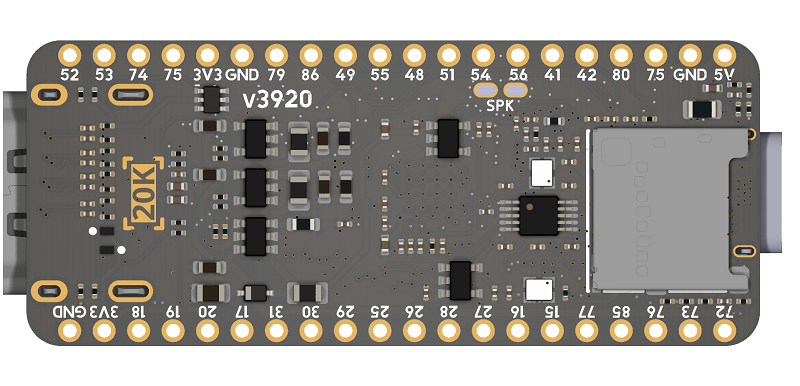
Tang Nano 20K is a compact FPGA development board based on the Gowin GW2AR-LV18QN88C8/I7 FPGA chip. The FPGA contains 20,736 LUT4 logic units, 15,552 flip-flops, 2 PLLs and many DSP units supporting 18 x 18 bit multiplication. The onboard BL616 chip downloads the bitstream into the FPGA and also acts as a USB-to-serial converter for UART communication between the FPGA and the computer. The 27 MHz crystal generates the clock for the HDMI display, while the onboard MS5351 clock generator provides additional clock sources for the FPGA. With its HDMI interface, 40-pin RGB LCD connector, 64 Mbit SDRAM, 64 Mbit Flash, microSD card slot and MAX98357A audio amplifier, the Tang Nano 20K offers a comprehensive platform for HDMI, audio, display and softcore processor projects.
Box Contents
- Tang Nano 20K
- Type C Cable
- Pin Header (2 pcs, unsoldered)
Specifications
In-depth specifications of the Tang Nano 20K.
| Item | Value |
|---|---|
| FPGA Chip | GW2AR-LV18QN88C8/I7 |
| Logic units (LUT4) | 20736 |
| Registers (FF) | 15552 |
| ShadowSRAM SSRAM (bits) | 41472 |
| Block SRAM BSRAM (bits) | 828K |
| Number of B-SRAM | 46 |
| 32bits SDR SDRAM (bits) | 64M |
| 18 x 18 Multiplier | 48 |
| High performance DSP | Support 9x9, 18x18, 36x36 bits multiplier and 54 bits accumulator |
| Number of PLL | 2 |
| I/O Bank | 8 |
| Clock | 27MHz crystal oscillator MS5351 clock generator: provides extra 3 clocks for FPGA |
| Flash | 64M-bit (QSPI Flash, to save bitstream) |
| Display interface | HDMI interface, 40Pins RGB LCD connector (MIPI DPI FPC connector) |
| Debugger | Onboard BL616: JTAG for FPGA, USB to UART, USB to SPI for FPGA communication, controls MS5351 (480Mbps high-speed USB to UART, I2C, SPI and JTAG) |
| IO | • support 4mA, 8mA, 16mA, 24mA other driving capabilities • Provides independent Bus Keeper, pull-up/pull-down resistors, and Open Drain output options for each I/O |
| Connector | TF (microSD) card slot, 2x20P 2.54mm DIP pin headers with 34 free IOs |
| Button | 2 user buttons |
| LED | Onboard 6 LEDs (low voltage level enable) + 1 WS2812 RGB LED |
| Audio | MAX98357A PCM amplifier, for audio driving (speaker output) |
| Power supply | Via USB-C: 5V±10% 0.5A |
| Operating temperature | 0℃ ~ 65℃ |
| Size | 22.55mm x 54.04mm |
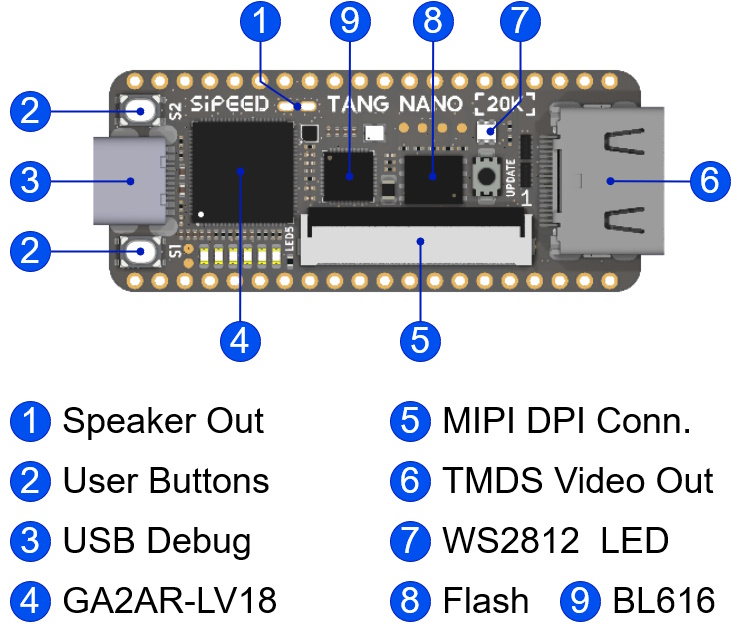
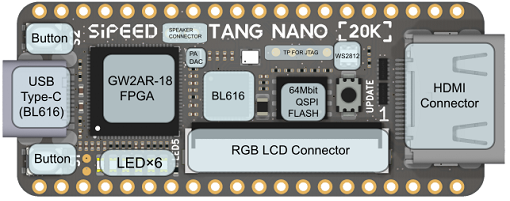
On-board Function Blocks
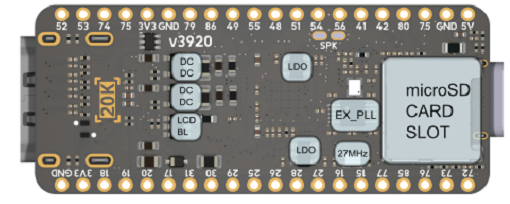
Pinmap
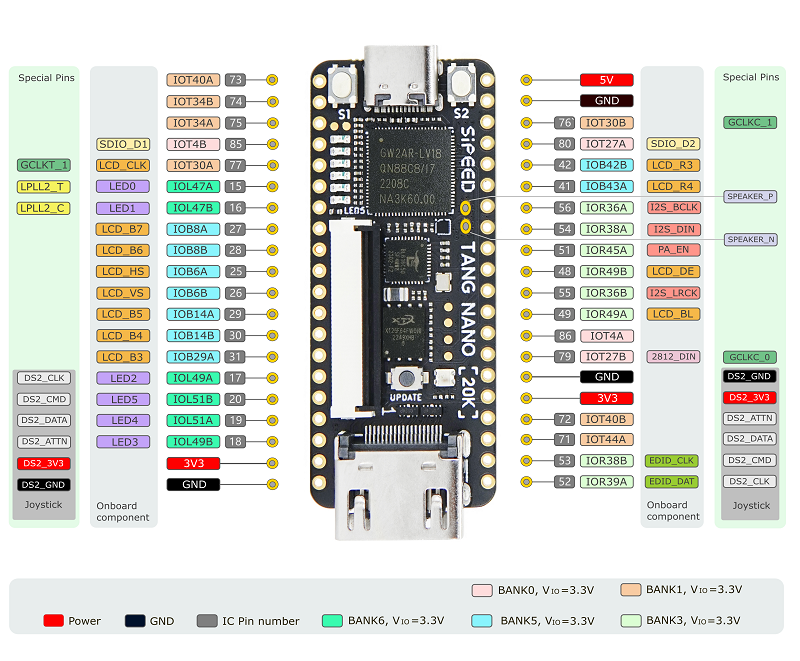
Attention and Best Practices
- Troubleshooting: If you encounter any issues, consult the Tang Questions page first. If the onboard debugger is not recognized by the computer, connect the board directly to the computer instead of through a USB hub, try a better quality USB cable and, if necessary, update the debugger firmware to the latest version.
- Storing the Bitstream: Tang Nano 20K stores its firmware in external Flash memory; to make your design persistent, you need to download the bitstream to the Flash memory.
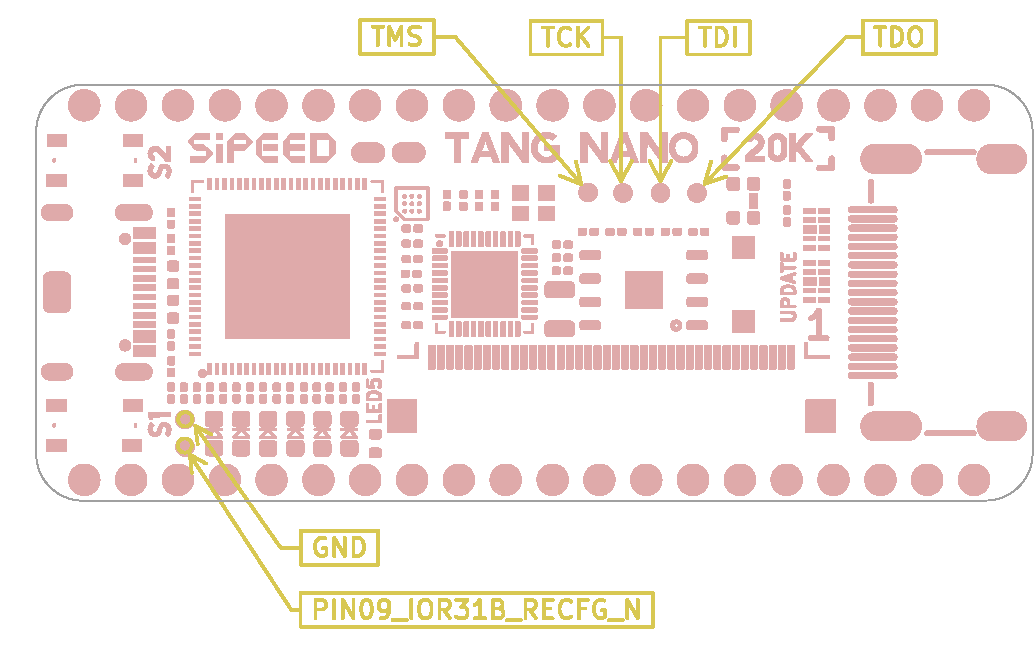
- FPGA JTAG Test Points: The board has an onboard JTAG for downloading FPGA firmware. The JTAG test points on the board are reserved only for users who want to use their own debugger.
- Static Electricity Precautions: Always discharge static electricity before touching or handling the PCBA (printed circuit board assembly). This is important to prevent the board from being damaged by static electricity.
- GPIO Voltage Compliance: Ensure that the working voltage of the GPIO pins does not exceed the rated value indicated in the schematic. Exceeding these limits can cause permanent damage to the PCBA.
- FPC Cable Connection: When connecting FPC flexible cables, ensure that the cable is fully and properly inserted into the connector without any offset. Pin 1 of the cable must correspond to pin 1 of the connector.
- Plugging/Unplugging the Camera: Disconnect the power completely before plugging in or unplugging the camera.
- Avoid Short Circuits: Prevent liquids or metal objects from coming into contact with the component pads on the PCBA while the board is powered on. Such contact can cause a short circuit and damage the board.
Sipeed Tang Nano 20K is a development board based on the Gowin GW2AR-LV18 FPGA chip. The board is equipped with an HDMI connector, a 40-pin RGB LCD connector, 64Mbit SDRAM, 64Mbit Flash, a microSD card slot, a MAX98357A audio amplifier, 6 LEDs and 1 WS2812 RGB LED. The onboard BL616 chip provides USB-JTAG and USB-UART functions, while the MS5351 clock generator provides 3 additional clock sources for the FPGA.
With 20,736 LUT4 logic units, 15,552 flip-flops, 828K Block SRAM and 48 18x18 multipliers, the Tang Nano 20K is an ideal platform for complex logic circuits, HDMI display applications and softcore processor projects.
You can buy the Sipeed Tang Nano 20K FPGA Development Board quickly and securely from Beti Elektronik.